
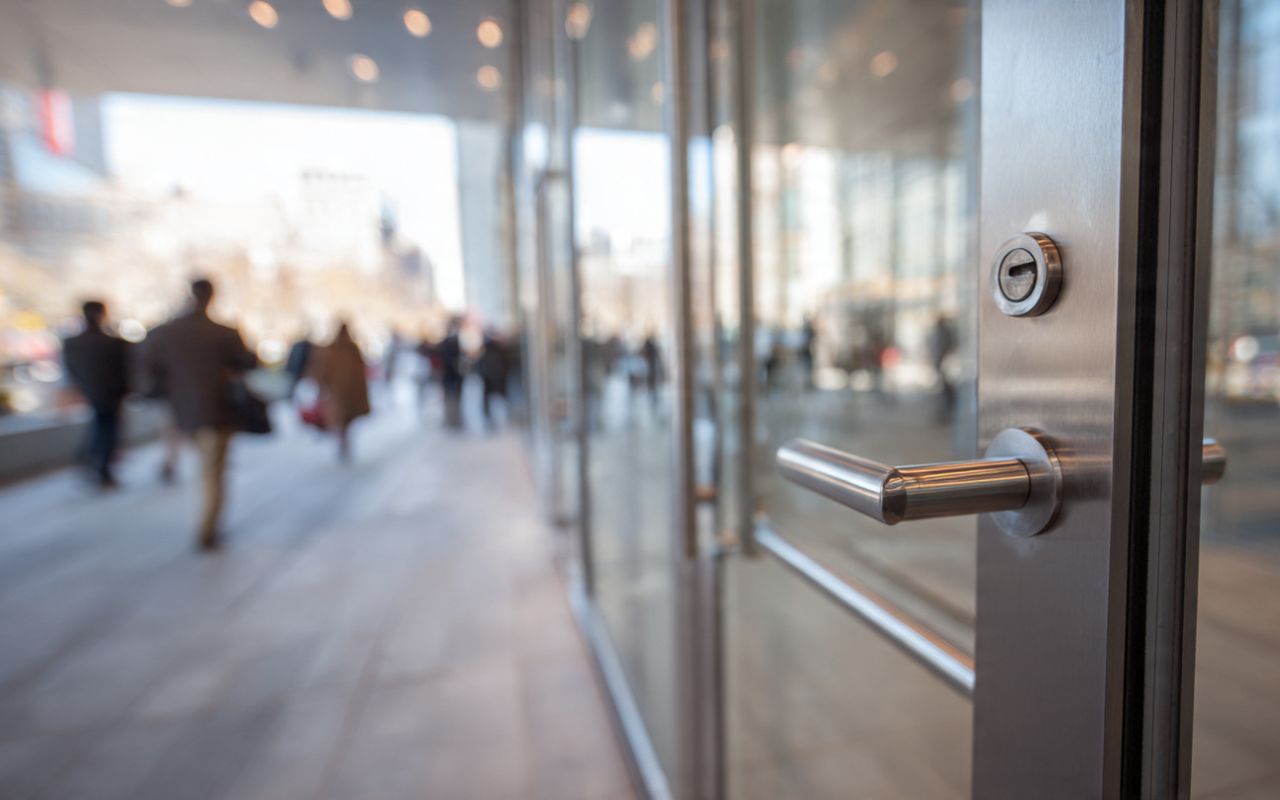
In busy buildings, door parts affect safety, access, and first impressions. In Chicago, hardware must handle heavy traffic and tough seasons. Therefore, the right choices reduce callbacks and support compliance. This guide explains what to look for, how to maintain it, and when to call Chicago Door People.
What is the best way to choose commercial door hardware for a Chicago building?
The best approach is to match each opening to traffic, security needs, and code demands. Start with grade ratings, then confirm ADA force targets. Next, select durable locksets, panic hardware, hinges & pivots, and closers. Finally, follow maintenance tips and schedule inspections with Chicago Door People. In short, Commercial door hardware in Chicago works best when it is specified, installed, and tuned as a system.
Why Commercial door hardware in Chicago matters in modern buildings
Every entry is a daily stress test. Consequently, weak parts fail early and disrupt operations. Because of this, Commercial door hardware in Chicago should be selected for real traffic, not best-case use. Chicago Door People often sees issues that start small, then become costly.
- First impressions improve when doors move smoothly and latch cleanly.
- Security improves when hardware resists prying and misalignment.
- Safety improves when exit paths work during pressure events.
- Comfort improves when sealing reduces drafts and noise.
Also, if your opening already drags or slams, you may need targeted service. In that case, review Commercial Door Repair in Chicago IL for common fixes.
Core components to specify for heavy-use openings
It helps to think in modules. First, control access with Locksets. Next, protect egress with Panic hardware. Then, keep motion stable with Hinges & pivots. Finally, manage closing with Closers. When these parts align, Commercial door hardware in Chicago stays reliable longer.
- Locksets: Choose commercial cylinders, reinforced strike plates, and stable trim.
- Panic hardware: Use listed exit devices on required egress doors and verify latch alignment.
- Hinges & pivots: Match bearing type and weight capacity to the door and frame.
- Closers: Select the correct size and arm style, then tune sweep, latch, and backcheck.
Moreover, if closer speed feels inconsistent, proactive replacement can prevent damage. For that reason, see Replace Door Closers & Door Checks for service options from Chicago Door People.
Accessibility and durability checkpoints for Chicago properties
Code and performance are connected. Therefore, it is smart to verify ADA force goals during selection and after install. In many buildings, Closers are the main driver of opening effort. Meanwhile, Grade ratings help predict lifecycle under traffic.
- ADA force: Confirm opening effort, then adjust closer settings for controlled motion.
- Grade ratings: Prioritize higher grades for lobbies, schools, clinics, and high-traffic corridors.
- Seasonal behavior: Recheck closer speed when temperatures change.
- Door geometry: Verify hinges & pivots are sized for door weight and swing demands.
As a result, Commercial door hardware in Chicago performs best when it is verified in the field. Chicago Door People can also help align documentation and settings across multiple doors.
How to keep Commercial door hardware in Chicago working smoothly
Maintenance tips are simple, yet they prevent big failures. First, inspect movement and latch action. Next, tighten fasteners and lubricate pivots. Then, confirm closer speed and backcheck. Finally, document changes so patterns are easy to spot. Chicago Door People often recommends a repeatable checklist for consistency.
- Check the latch: doors should latch without slamming or bouncing.
- Inspect Locksets: ensure keys, levers, and bolts move smoothly.
- Test Panic hardware: push to release, then verify it re-latches correctly.
- Review Hinges & pivots: look for sag, wobble, loose screws, and metal dust.
- Tune Closers: set sweep and latch so doors close safely and predictably.
- Seal the opening: reduce drafts that can affect closing behavior.
Additionally, if air leaks are part of the problem, sealing upgrades can help. In that case, consider Door Weather Stripping to improve comfort and reduce strain on closers.
How-to: a practical selection process for building managers
If you manage multiple doors, a process keeps decisions consistent. Therefore, use a door-by-door survey, then standardize parts. After that, schedule tuning and follow-up checks. This approach reduces surprises and supports safer egress. It also helps Commercial door hardware in Chicago last longer.
- List each opening, including location, traffic level, and security needs.
- Record existing issues, such as sagging, slamming, or sticking.
- Choose Grade ratings based on traffic and risk, then verify compatibility.
- Select Locksets and Panic hardware that match your access plan.
- Confirm ADA force targets, then choose Closers that can be tuned correctly.
- Set a maintenance tips calendar, then log each adjustment and repair.
FAQs
How do I know if my Locksets need repair or replacement?
If the latch sticks, the lever sags, or the key binds, service is likely needed. Also, misalignment can mimic lock failure. Therefore, start with an inspection and hardware alignment. For broader door issues, see Commercial Door Repair in Chicago IL. Chicago Door People can confirm the root cause quickly.
When should Panic hardware be installed on an exit door?
Panic hardware is commonly required for certain egress doors based on occupancy and occupant load. Therefore, confirm requirements during permitting and inspections. After installation, test release and re-latching regularly. If the door also slams, pairing work with Replace Door Closers & Door Checks can improve performance.
What problems do worn Hinges & pivots cause?
Worn hinges or pivots can cause sagging, latch misalignment, and rubbing on the frame. Consequently, Locksets and Panic hardware may fail to latch reliably. Therefore, address hinge wear early to protect the whole opening. For field fixes, Chicago Door People often starts with alignment and fastener reinforcement.
How do Closers affect ADA force and daily usability?
Closers control speed, yet they also influence opening effort. As a result, poor settings can make doors feel heavy or unsafe. Therefore, tune sweep, latch, and backcheck to balance control and accessibility. If the closer leaks oil or will not hold settings, use Replace Door Closers & Door Checks to restore reliable operation.
Which Maintenance tips prevent repeat door failures?
Quarterly checks work well for many sites. First, tighten screws and inspect Hinges & pivots. Next, test Panic hardware for smooth release and reset. Then, confirm Locksets latch without forcing. Finally, tune Closers for seasonal temperature shifts. For sealing and drafts, Door Weather Stripping can reduce stress on the system.
Next steps: get a site plan from Chicago Door People
If you want fewer callbacks, start with a walkthrough. Then, standardize hardware by opening type and traffic. Chicago Door People can help you plan upgrades, repairs, and preventive checks. To schedule service, contact Contact and share door photos and access hours. With that, Commercial door hardware in Chicago can be safer, smoother, and more consistent across your building.