
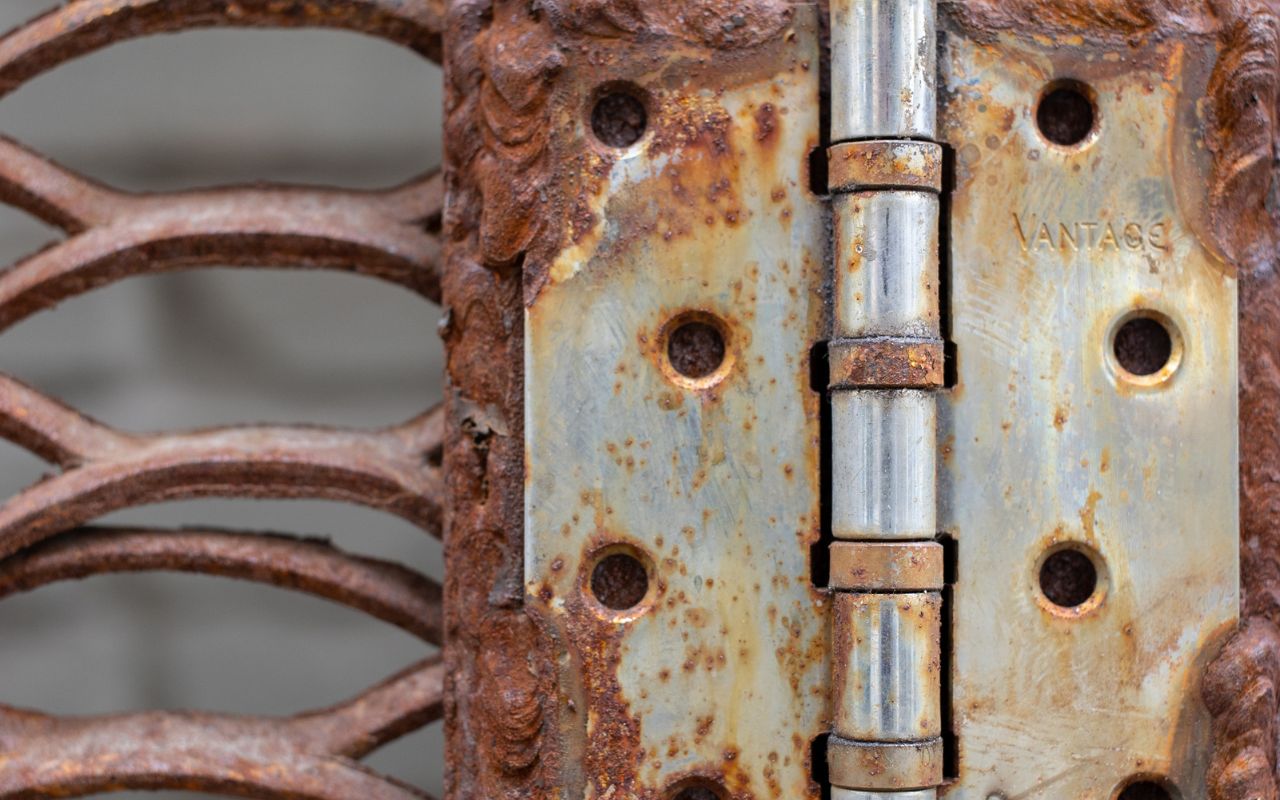
Hollow metal door rust repair in Chicago is about more than appearance. Rust can quietly turn steel doors into weak points in your building’s safety. Snow, rain, and road salt accelerate corrosion on frames, jambs, and fire-rated openings. This guide shows you how to spot damage, plan repairs, and keep entrances code-compliant, secure, and professional through every Chicago winter season.
How to repair hollow metal door rust in Chicago
For most facilities, hollow metal door rust repair in Chicago means removing all loose corrosion, treating the steel, rebuilding small pits, then priming and repainting with exterior-grade coatings that meet fire and building codes. Severe frame or jamb damage should be evaluated by a local hollow metal door specialist.
Common causes of rust on hollow metal doors
Most hollow metal door corrosion starts with trapped moisture and damaged protective coatings. In Chicago, melting snow, wind-driven rain, and humid summers push water into unsealed seams, chipped paint, and hairline cracks. Over time, this leads to rusted door frames, weakened jambs, and sticking doors.
- Constant exposure to rain, snow, and condensation around thresholds and sills.
- Scratches, dents, and abrasions that expose bare steel on commercial steel doors.
- De-icing salt and cleaning chemicals that break down paint, primer, and sealants.
- Poor initial finishing or thin primer coats, especially at welds and corners.
- Standing water at floors, docks, or alleys that wicks into frame bottoms.
Choosing quality hollow metal door frames in Chicago and keeping paint systems intact are your first defenses against early corrosion.
Importance of prompt rust detection and repair
Small rust spots rarely stay small in Chicago’s climate. Once oxidation starts, it can spread behind paint and along seams, thinning the steel and weakening hinges and latch points. Left alone, corrosion repair becomes more invasive, costly, and disruptive to building operations.
Early repair protects:
- Security: weakened frames can flex, misalign locks, and invite forced entry.
- Life safety: corrosion on fire-rated frames may affect how long they resist heat.
- Accessibility: warped or binding doors can violate ADA requirements and frustrate users.
- Budgets: timely touch-ups often avoid full frame replacement or hardware overhauls.
Regular visual checks and touch tests around hinges, strike areas, and frame bottoms help you catch problems before they compromise code compliance or day-to-day safety.
Assessing the extent of rust damage
A thorough inspection tells you whether simple touch-up or structural repair is needed. Start by examining the entire door, frame, and jambs in good lighting. Look for bubbling paint, flaking, orange-brown streaks, or swollen corners that signal corrosion beneath the surface.
Use a screwdriver or awl to gently probe suspect areas:
- If the metal feels firm and only the surface is discolored, it is likely cosmetic rust.
- If the tool sinks in or the surface crumbles, there may be deep pitting or metal loss.
- If you see gaps, twisting, or misalignment, structural integrity may be compromised.
Classifying damage as cosmetic, surface, or structural helps you decide between light corrosion repair, jamb reinforcement, or full frame replacement. For fire-rated frames, any heavy damage near labels or hardware should be evaluated by a qualified door technician.
Tools and materials needed for rust repair
Having the right tools ready makes rust repair faster, cleaner, and safer. Before you start, gather everything you need so the door is out of service for the shortest possible time.
- Wire brushes or a grinder with wire wheel to remove loose rust and paint.
- Sanding blocks and sandpaper in multiple grits for smoothing bare metal.
- Paint scrapers and putty knives to lift flaking coatings and debris.
- Personal protective equipment: safety glasses, gloves, dust mask or respirator.
Key materials include:
- Rust converter to neutralize remaining oxidation in tight corners and seams.
- Metal filler or body filler for shallow pits and minor perforations.
- High-solids, metal-rated primer compatible with any fire-rated frames involved.
- Durable topcoat formulated for commercial steel doors and exterior exposure.
- Epoxy, plates, or brackets for targeted jamb reinforcement when needed.
How to repair hollow metal door rust step-by-step
Follow a clear process to restore strength and appearance while minimizing downtime.
- Before starting hollow metal door rust repair in Chicago, remove hardware, protect adjacent finishes with tape and drop cloths, and ensure good ventilation.
- Use wire brushes or a grinder to strip all loose rust and failing paint until you reach sound, bright steel or firmly bonded coating.
- Apply rust converter according to the manufacturer’s instructions, paying attention to edges, seams, and frame bottoms where moisture collects.
- Once cured, fill pits and shallow holes with metal filler, shape with a putty knife, and sand smooth after drying.
- Clean surfaces thoroughly to remove dust and residue, then apply a rust-inhibiting metal primer in thin, even coats.
- Finish with two coats of compatible topcoat, allowing full dry time between coats, then reinstall hardware and check for smooth operation and proper latching.
Preventative maintenance techniques for extending door lifespan
Simple, scheduled maintenance can add years of service to your hollow metal doors. Instead of waiting for rust to appear, build a routine that keeps finishes intact and moving parts working as designed.
- Wipe down doors and frames regularly, especially after storms or heavy salting.
- Touch up chips and scratches immediately with primer and matching paint.
- Lubricate hinges, locks, and closers to reduce friction and metal wear.
- Inspect weatherstripping, sweeps, and thresholds to keep water out of frame bottoms.
- Schedule an annual door check as part of your facility maintenance plan.
Reviewing hollow metal door frame details helps you understand where moisture commonly intrudes and which accessories can better protect exposed steel.
Understanding Chicago safety codes for hollow metal doors
Rust repair must support, not undermine, life safety and accessibility codes. Chicago-area buildings typically follow adopted fire, life safety, and building codes that reference national standards for fire door assemblies, egress, and hardware.
When working on fire-rated frames and doors, keep these points in mind:
- Do not remove, paint over, or obscure fire labels on the door or frame.
- Maintain proper clearances so doors close, latch, and swing freely without binding.
- Verify that panic hardware, closers, and locks still function as required after repairs.
- Document significant corrosion repair or frame replacement for future inspections.
When in doubt, consult your local authority having jurisdiction or a door professional familiar with Chicago code compliance to confirm that planned repairs will keep your openings inspection-ready.
Deciding between frame replacement and repair
Not every rusted frame needs to be replaced, but some clearly should be. The decision often comes down to safety, cost, and how long you need the opening to perform under heavy use and severe weather.
Repair is often appropriate when:
- Rust is limited to small areas and has not significantly thinned the steel.
- The frame is still plumb, square, and able to support hardware properly.
- The opening is not a critical fire exit or high-abuse location.
Frame replacement becomes more attractive when corrosion is widespread, metal thickness is visibly reduced, or repeated repairs have not held up. In those cases, installing new assemblies, including properly rated fire-rated frames, can restore performance and simplify future maintenance.
Professional assistance for complex rust issues
Severe corrosion, high-traffic openings, and fire-rated assemblies are best handled by specialists. A contractor experienced in hollow metal door rust repair in Chicago can assess structural damage, recommend the right mix of jamb reinforcement, hardware upgrades, and coatings, and perform work that aligns with inspection standards.
Professional help is especially valuable when:
- Rust is present around hinges, locks, or panic hardware on critical exits.
- Frames show twisting, gaps, or movement when the door is used.
- Multiple openings across your property show similar corrosion patterns.
If you need expert evaluation or a quote for multiple openings, you can request a hollow metal door inspection in Chicago and get recommendations tailored to your building, occupancy, and budget.
Frequently Asked Questions
How much does hollow metal door rust repair in Chicago typically cost?
Costs vary based on damage, door size, and code requirements. Light surface repairs on one opening are usually far less than replacing an entire frame and leaf, while extensive structural work or multiple doors increase labor and material. A site visit is the most accurate way to price repairs and prioritize which openings to address first.
Can a rusted fire-rated frame be repaired, or must it be replaced?
Light rust on fire-rated frames can often be repaired if labels and structural steel remain intact. When corrosion affects frame thickness, anchoring points, or the area around hardware, replacement may be the safer option. A qualified door technician can document conditions and help you choose between careful repair or full replacement.
When should I choose frame replacement instead of ongoing repairs?
Repeated patching is a red flag. If the same opening needs frequent corrosion repair, shows movement, or no longer keeps hardware aligned, frame replacement vs repair should be reconsidered. Investing in new frames, particularly for main exits or loading docks, can lower long-term maintenance and improve reliability.
How can I reduce future rust on exterior hollow metal doors?
Strong finishes and drainage are your best defenses. Maintain caulking, weatherstripping, and paint, and keep drains and thresholds clear so water cannot sit against steel. Adding sweeps and canopy protection where feasible, along with scheduled inspections, significantly reduces the risk of rusted door frames and premature failure.
How do I get a professional rust assessment for multiple properties?
Start with a consolidated inspection request. Create a list of locations and openings with visible damage or performance issues, then schedule a hollow metal door assessment. A specialist can group work by priority, suggest phased repairs, and help ensure code compliance across your portfolio.
Ensuring longevity and safety of hollow metal doors
Long-lasting doors come from a mix of smart design, quality components, and consistent care. By understanding how rust forms, assessing damage accurately, and using the right repair methods, you can extend the life of your openings and maintain safe, welcoming access for occupants and visitors.
Whether you are managing a single storefront or a large campus, pairing routine maintenance with timely intervention keeps commercial steel doors working smoothly, supports inspections, and protects your investment against Chicago’s toughest weather conditions.